Removing a palm tree may seem straightforward, but it requires the right approach, tools, and safety measures to ensure the job is done properly. Whether your palm tree has become a safety hazard, is growing too close to your home, or simply no longer fits your landscape design, knowing how to remove a palm tree safely and effectively is essential.
Palm trees differ from other trees because of their fibrous trunks, deep roots, and unique structures. This means palm tree removal often requires specific techniques. In this blog, we’ll guide you through the essential steps of palm tree removal, common mistakes to avoid, and when it’s best to call a professional.
1. Determine Whether the Palm Tree Needs Removal
Before beginning, decide why the tree needs to go. Common reasons include:
- The palm is diseased or dead
- Roots are affecting pipes, pavement, or building foundations
- The palm is leaning or unstable
- It blocks sunlight or interferes with landscaping plans
- It has outgrown its space
Assessing the condition of the tree helps determine whether removal is safe to handle yourself or better left to experts.
2. Check Local Regulations and Permits
In many areas, certain palm tree species are protected and may require a permit for removal. Local councils may also have height or location restrictions.
Before cutting anything, check:
- Local council tree removal regulations
- Whether your palm species is protected
- Permit requirements for residential tree removal
Skipping this step can lead to fines or legal issues.
3. Gather the Right Tools and Safety Gear
Palm tree removal involves sharp tools, heavy debris, and the risk of falling fronds. At minimum, you’ll need:
- A pruning saw or chainsaw
- Safety gloves
- Safety glasses
- A hard hat
- Ladder (if the tree is tall)
- Rope for securing fronds
- Shovel for root removal
Wearing proper safety gear is essential since falling palm fronds can be surprisingly heavy and dangerous.
4. Clear the Surrounding Area
Palm fronds and trunk sections can fall in unpredictable ways. Before cutting, clear anything breakable:
- Outdoor furniture
- Vehicles
- Garden decorations
- Children’s toys
- Potted plants
Make sure pets and people are safely away from the work zone.
5. Remove the Fronds First
Start by removing the fronds from the top down. This makes the tree lighter, easier to handle, and safer to cut.
Steps:
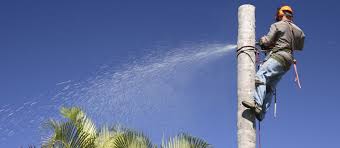
- Use a ladder or climbing gear (if trained) to reach higher fronds.
- Cut fronds close to the trunk using a pruning saw or chainsaw.
- Lower large fronds using rope instead of letting them fall freely.
Palm fronds can cause injury if dropped carelessly, so take your time.
6. Cut the Trunk in Sections
Once the fronds are cleared, begin cutting the trunk. Cutting from the bottom is dangerous—always cut in manageable sections from top to bottom.
To do this safely:
- Cut small sections (30–60 cm each)
- Ensure each piece falls clear of you and your ladder
- Keep both hands firmly positioned on the saw
- Avoid cutting too wide or deep in one slice
Palm trunks are fibrous, so cutting may take time. Go slowly and carefully.
7. Remove the Stump (Optional but Recommended)
Palm roots are usually shallow compared to other trees, making stump removal easier. If you want to prevent regrowth or plan to re-landscape, removing the stump is a good idea.
You can remove the stump by:
- Digging: Use a shovel to expose the roots and cut through them.
- Grinding: Rent a stump grinder or hire professionals.
- Chemical stump remover: Speeds decomposition but takes weeks.
Grinding is the fastest method but requires special equipment.
8. Dispose of the Palm Tree Properly
Palm trees cannot always be chipped like normal timber because their fibrous trunks can clog chipper machines. Check with your local waste disposal service about:
- Green waste collection
- Trunk disposal
- Recycling options for palm debris
Some companies may offer palm-specific disposal services.
9. Know When to Call a Professional
Palm tree removal can be dangerous—especially for tall, heavy, or diseased palms. You should call a professional if:
- The palm is taller than 3–4 metres
- It’s close to power lines or structures
- The trunk is leaning or unstable
- You don’t have proper equipment
- You’re unsure how to cut safely
Professional arborists ensure safe, efficient removal without risking injury or property damage.
Conclusion
Removing a palm tree requires planning, the right tools, and careful execution. From assessing the need for removal to cutting fronds, sectioning the trunk, and disposing of debris, every step matters for safety and results.
For a stress-free and professional palm tree removal experience, Top End Tree Services offers reliable, affordable, and high-quality work—always completed on time and with expert care. Whether you need a single palm removed or a full garden clearance, our team ensures your property is safe, clean, and beautifully maintained.