How Can You Safely Remove a Tree in a Confined Space in Darwin?
Removing a tree from a narrow backyard or a property with limited access can be more complicated than removing one in an open area. Trees growing close to houses, fences, sheds and neighbouring properties require careful planning to avoid damage to surrounding structures.
In Darwin, residential and commercial properties may have trees growing in tight spaces where large machinery cannot easily reach. In these situations, confined space tree removal requires an appropriate removal plan, suitable equipment and experienced tree professionals who can assess the risks before work begins.
What Is Confined Space Tree Removal?
Confined space tree removal involves removing trees from locations with limited working space or restricted access. These areas may include small backyards, narrow side passages, enclosed courtyards and spaces between buildings.
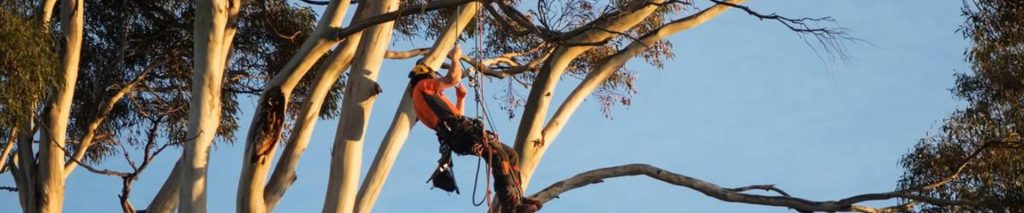
Unlike trees in open areas, trees in confined locations cannot always be felled in one piece. Nearby structures, overhead obstacles and limited access may require the tree to be dismantled in smaller sections.
A professional assessment helps determine the most suitable removal method based on the tree’s height, condition, location and surrounding environment.
Why Is Tree Removal in Tight Spaces More Challenging?
Removing a tree in a restricted area presents several challenges that must be considered before work begins.
Limited Access for Equipment
Narrow gates, pathways and side passages can prevent larger machinery from reaching the tree. The removal team may need to use alternative equipment and carefully plan how tools and materials will be moved into the work area.
Nearby Buildings and Fences
Trees growing close to houses, garages, sheds and boundary fences require precise removal techniques. Branches and trunk sections must be managed carefully to reduce the risk of damage to nearby structures.
Overhanging Branches and Obstacles
Branches extending over roofs, driveways or neighbouring properties can make removal more complicated. Their position, weight and condition need to be assessed so that the work can be carried out in a controlled manner.
Tree Condition and Stability
Dead, damaged or leaning trees may present additional risks. Decay, storm damage and unstable branches can affect how the tree should be handled, making a professional inspection particularly important.
How Can a Tree Be Removed Safely in a Confined Space?
The appropriate removal method depends on the available space, the tree’s condition and the surrounding hazards. A typical process involves several important steps.
1. Inspect the Tree and Surrounding Area
Before work begins, the tree’s height, structure, condition and proximity to buildings are assessed. The team also considers access restrictions, overhead powerlines, underground services where relevant and potential hazards to people nearby.
This assessment helps establish a suitable work plan.
2. Choose the Appropriate Removal Method
Where there is insufficient room to fell a tree safely, it may need to be dismantled progressively. Depending on site conditions, trained professionals may remove branches and trunk sections in a controlled sequence.
The equipment and techniques selected should suit the tree and the restrictions of the property.
3. Protect Nearby Property
Careful planning helps minimise the risk of damage to roofs, fences, garden structures and other nearby features. Work areas should be controlled, and appropriate exclusion zones should be established to keep people away from falling branches and equipment.
Where branches cannot be safely dropped, an appropriate controlled lowering method may be required.
4. Remove the Tree Debris
After the tree has been removed, branches, trunk sections and other debris can be cleared from the work area. The property owner can also discuss whether stump removal or additional site clearing is required, depending on the scope of the service.
When Should Darwin Property Owners Consider Professional Tree Removal?
Professional assessment may be necessary when a tree grows too close to a building, blocks access, develops large dead branches or becomes damaged during severe weather.
Trees that lean unexpectedly, show signs of significant decay or have damaged limbs over occupied areas should be treated cautiously. Avoid attempting to cut large branches or climb an unstable tree yourself.
If a tree is near overhead powerlines, keep clear and contact the relevant electricity network operator or an appropriately authorised professional. Never attempt to remove branches near live electrical lines independently.
Why Is Local Experience Important for Confined Space Tree Removal in Darwin?
Darwin’s tropical climate can bring seasonal storms, heavy rainfall and strong winds that may affect tree condition and stability. Trees growing in residential areas can also become difficult to access as gardens, fences and nearby structures develop over time.
A site-specific assessment helps identify the challenges associated with each property rather than relying on a one-size-fits-all removal method.
Top End Tree Services offers a relevant service for property owners who need professional assistance with confined space tree removal in Darwin. Discussing the tree’s location, access restrictions and nearby structures can help establish the requirements for the job.
What Should You Do Before Arranging Confined Space Tree Removal?
Before booking an assessment, consider the tree’s location, its proximity to buildings and the access available around it. Photos of the tree and the surrounding area may help explain the situation when making an enquiry.
It is also useful to identify any visible damage, overhanging branches or access restrictions. Avoid entering hazardous areas or attempting preliminary cutting if the tree appears unstable.
Conclusion
Removing a tree from a confined space requires careful planning, appropriate equipment and attention to nearby property and safety hazards. Whether a tree is growing in a narrow backyard, beside a house or between buildings, the right removal approach depends on its condition and the available working space.
For Darwin property owners dealing with restricted access or trees close to structures, professional assessment can help identify a suitable removal plan and reduce avoidable risks.